Digital marketing in 2026 is driven by AI-powered personalization, social commerce, voice-enabled discovery, short-form video, AR-based product experiences, and omnichannel engagement. Marketers leveraging automation, interactive content, and data-driven journeys will differentiate themselves. This guide explores the top digital marketing trends shaping consumer behavior and brand growth in 2026.
Digital marketing trends and strategies are constantly evolving. Before you know it, a new trend emerges and changes the landscape. If time travel were possible, every marketer would jump ahead to the new year to see what’s coming next. Since we can only rely on predictions, we must forecast the future and analyze what digital marketing in 2026 might look like. So, buckle up—we’re about to explore the future and discover the latest digital marketing trends.
Here are the top digital marketing trends to watch in 2026:
- Artificial Intelligence (AI) in Marketing
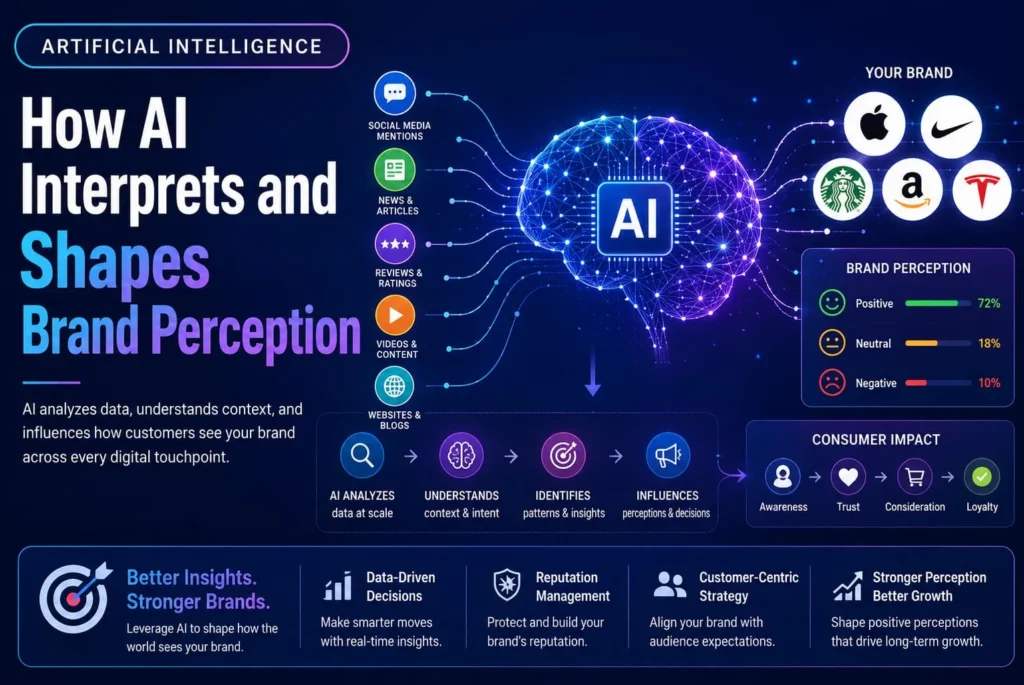
AI integration has transformed marketing by enabling advanced data analytics, predictive modeling, and automation. Marketers use AI-powered tools to analyze massive amounts of consumer data, predict buying behavior, and personalize marketing campaigns.
AI-driven chatbots improve customer service by offering instant responses and personalized support. AI also enhances ad targeting, content recommendations, and email marketing, increasing engagement and conversions.
- Social Commerce
Social commerce has already become a billion-dollar industry in China, while countries like India are rapidly catching up. Brands now use social media platforms to showcase products through live sessions, allowing users to purchase instantly during the stream.
For example, brands can use Instagram’s Shop feature to add a “Shop Now” option to live videos. Social commerce reduces the time between product discovery and purchase, making it one of the most impactful digital marketing trends of 2026.
- Voice Search
Studies show that 55% of teenagers use voice search daily. As technology adoption increases among younger generations, voice search continues to gain popularity.
Introduced widely with smartphones around 2014, voice search has grown significantly. Additionally, smart speakers like Amazon Alexa and Google Home are now present in approximately 20% of households. This increasing adoption signals that voice-controlled technology is here to stay.
Google reports that its voice recognition accuracy rate has reached 95%, making voice search more reliable and user-friendly. The improved accuracy enhances user experience by delivering precise, personalized results.
It is predicted that nearly half of all online purchases could soon be influenced by voice search results. This presents a potential $40 billion opportunity for digital marketers. Optimizing websites for voice search is becoming essential for businesses that want to remain competitive in the future.